Sichuan → Tibet · On-road · Rental or own bike
From Chengdu, west to Lhasa - the most iconic ride in China. Twelve days across the Tibetan plateau, over five passes above 4,000 m, on the legendary G318 highway.
The ride
The G318 is China's Route 66 - except it climbs from the Sichuan basin to the roof of the world. You start among teahouses and bamboo at 500 m, and twelve days later ride into Lhasa at 3,650 m, having crossed some of the highest driveable passes on Earth.
Between them: the hairpins of Zheduo Shan, the grasslands of Litang - one of the highest towns anywhere - the deep gorges of the Nu, Lancang and Jinsha rivers, the forests of Nyingchi, and the turquoise of Basum Tso. It is sealed tarmac the whole way, which makes it the perfect first plateau ride: hard enough to mean something, safe enough to enjoy.
We ride it as a private tour with a local travel guide, a road captain, a mechanic, and a support vehicle carrying your luggage, spare fuel, tools, and oxygen. We've run it more than forty times.
Chengdu to Lhasa along the G318 corridor
Approved China vector geography; tour connections are schematic. Road context © OpenStreetMap contributors via Geofabrik · ODbL · Road extract.
Destinations, featured visits and stated passes.
Points show day destinations, featured visits or a stated pass. Lines are schematic, not a terrain profile; gaps mark missing heights. Mountain summits are excluded. Select a day for destination, visit and pass elevations.
Surrounding geography: Natural Earth (public domain). Road context © OpenStreetMap contributors via Geofabrik · ODbL · Scoped context road extract.
Enjoy Chengdu leisurely daily life, Kuanzhai Xiangzi, drink tea in People’s Park
Arrive in Chengdu, the capital of province Sichuan, the home town of Panda. Pick up by the local guide at airport and transfer to the traffic management bureau to get your temporary Chinese driving license. If the time allows, enjoy the leisure time in Kuanzhai Xiangzi. It consists 3 alleys: Kuan Alley, Zhai Alley, and Jing Alley. Experience the typically leisure lifestyle of Chengdu. After that, we will move to the People’s Park (Renmin Gongyuan). It hosts elegant mountains, broad lake, colorful flowers and flourish woods. Have a seat in the tea house, enjoy your covered-bowl tea in the center of the city, and have a chat with your friends. Overnight at Boyun Jinjiang Hotel
Bifengxia Panda Base, ancient tea-horse-road, Kangding - gateway to Tibetan area Kham
In the morning go to rent motorbike and leave for Kangding along the old G318 Highway. On the way visit the Bifengxia Panda Base, it was established at the end of 2003, and has become a paradise for giant pandas, a national treasure, with the function of raising, breeding and rescuing giant pandas. It has over 20 giant pandas. At last arrive in Kangding, the capital of Ganzi Tibetan Autonomous Prefecture and the important juncture of Tibetan and Han People in history. Across the Tunnel of Erlang Mountain, the mountain was traditionally the natural borders of Han Chinese villages and the Tibetan communities. In the evening arrive in Kangding, the capital of Ganzi Tibetan Autonomous Prefecture and the important juncture of Tibetan and Han People in history. 330 km 6 hours Overnight at Kangding InterCity Hotel (2560 m)
View Mt. Gongga (7556 m). Litang - the “world’s highland city
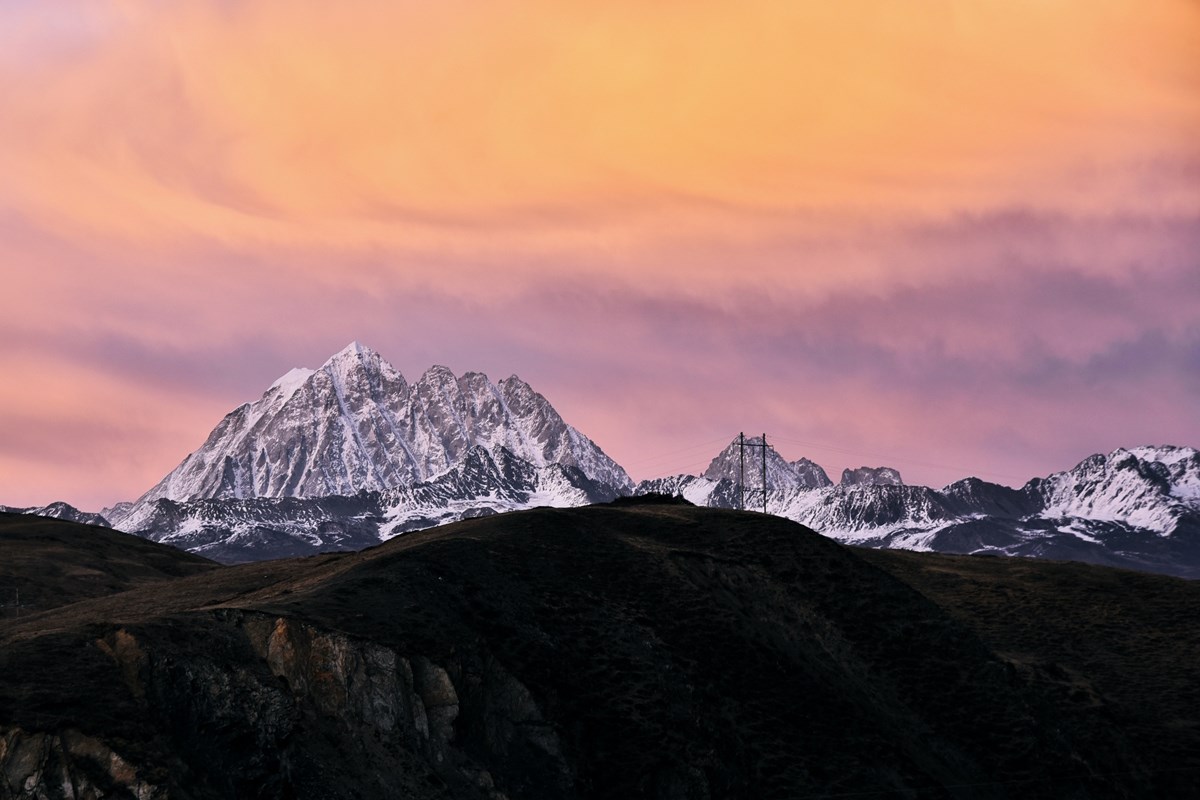
Today you’ll ride on the zigzag road up to the mountain chain of Hengduanshan, which extends from the north to the south. If the weather is brilliant, you will be able to enjoy the panorama view of Mt. Gongga (7508.9 m, Minya Konka, “the King Peak of Sichuan”) from the viewing platform on Zheduo Pass (4298 m). After that, drive to Xinduqiao, the “Paradise of Photographers”, a small town on the road juncture where the northern route of Sichuan-Tibet Highway (Chengdu - Lhasa) and the southern route of Sichuan-Tibet Highway (Chengdu - Lhasa) meet. Keep driving westwards via Yajiang to Litang which is known as "world highland city" with an altitude of 4014 m above sea level. Litang is the homeland of 7th Dalai Lama, and some other living Buddhas were also born in Litang. In late July or early August, a grand horse racing festival will be held in Litang and last about 7 days, which attracts many domestic and foreign visitors. 271 km 6 hours 21 minutes Overnight at Litang Yalong Hotel (4014 m)
Litang Monastery, Cuopu Valley, Sisters Lakes
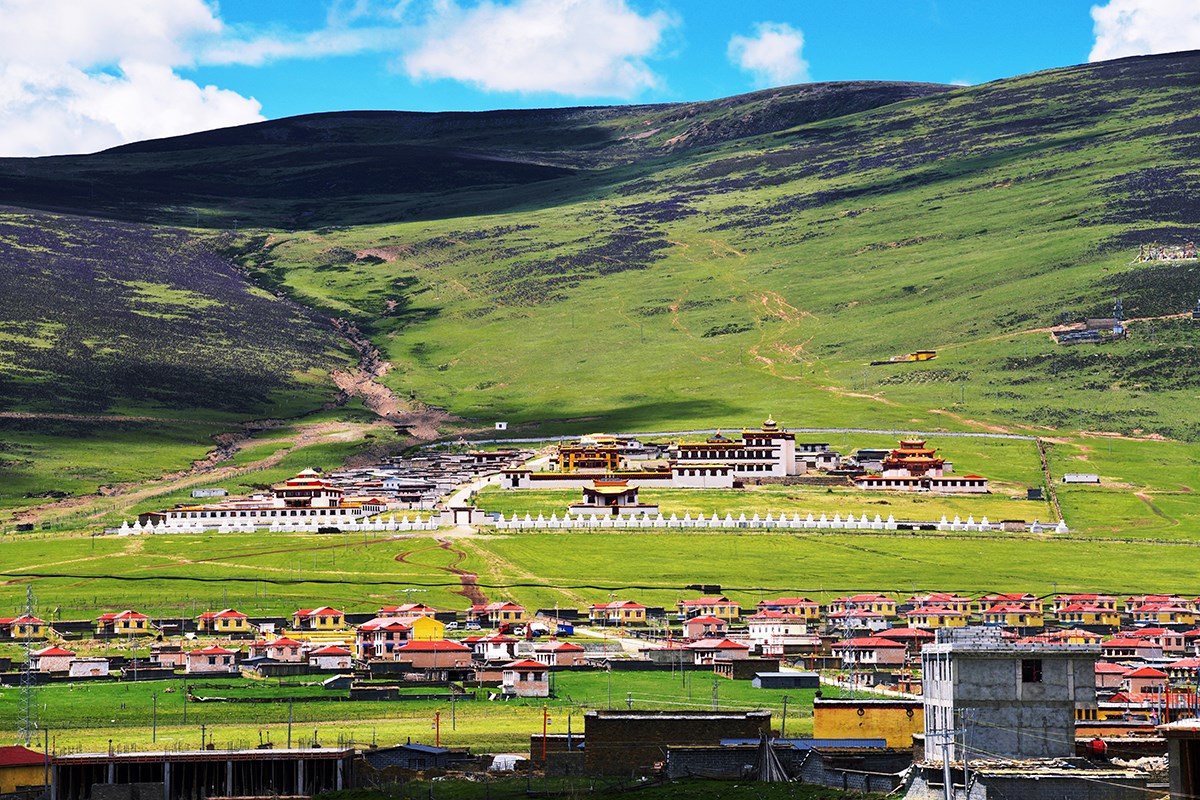
In the morning visit Litang Monastery (Changqingchunke'er Monastery) lying in the western suburbs of the city. The monastery was originally under the control of the Bon religion but converted into a Gelug Sect monastery in 1580 in the Ming Dynasty (1368 - 1644) by the third Dalai Lama. Today, it is the largest monastery of the Gelugpa in south Kham. You will also visit the Renkang Old House - the residence of the 7th Dalai Lama, and walk through the old town Letong. Then ride through the central area of Hengduanshan Mountain Range to the county city Batang, on the way visit Cuopu Valley and stop at the Sisters Lakes. 170 km 3 hours 30 minutes Overnight at Xianyun Hotel (2580 m)
Ride in the Three Parallel Rivers Regions. Leave Sichuan and enter Tibet
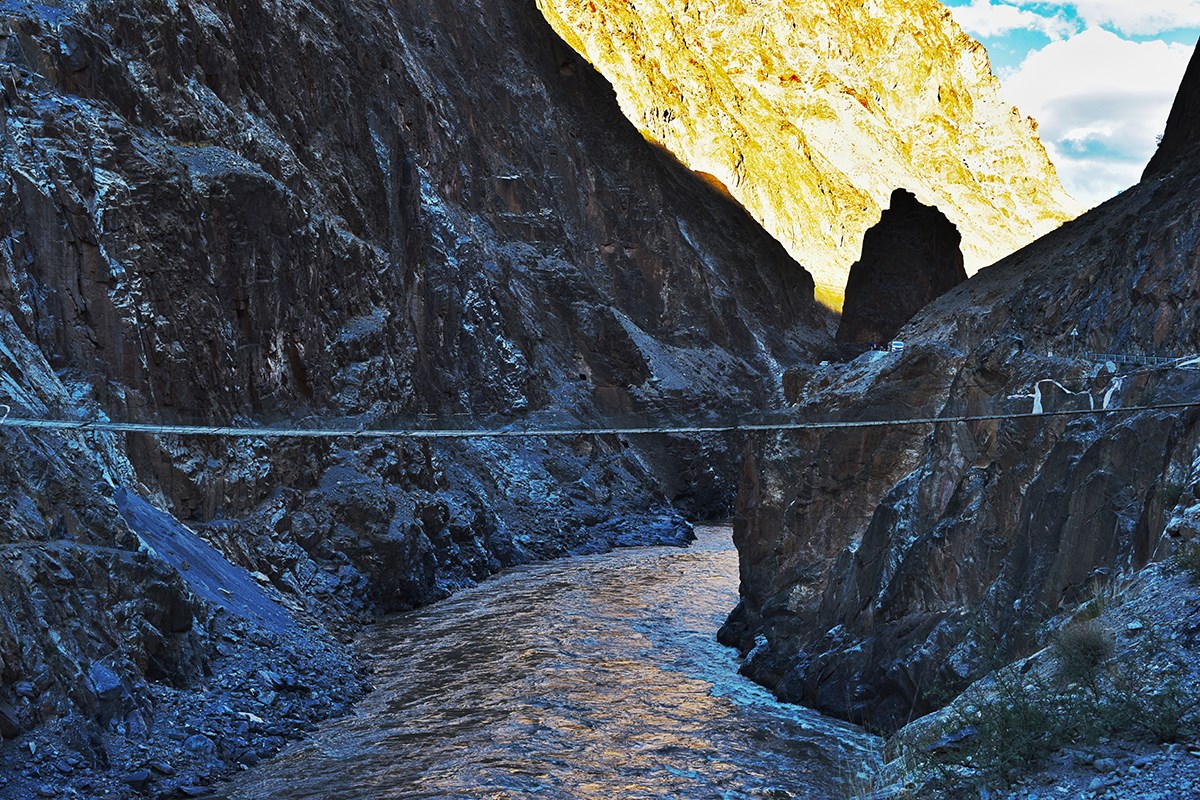
Ride from Batang via Golden Sand River (Jinsha Jiang, upper reaches of the Yangtze) Bridge to Markam, the first city of Tibet on this overland journey. Jinsha Jiang is the boundary between Sichuan and Tibet. You Ride now in the Three Parallel Rivers Regions, which is consisted of Jinsha Jiang River, Nu Jiang River and Lancang Jiang River (Mekong) originated from the Tanggula Mountain Range of Tibetan Plateau flow in parallel southward. On the way cross three mountain passes: Joba (3880 m), Lawu (4358 m) and Dongda (5080 m). 259 km 5 hours 40 minutes Overnight at Yuexi Resort Hotel (3750 m)
Overcome 72-turn, stay be the beautiful Ranwu lake
Drive along upstream to Bangda, a town junction where Lhasa connects to the Chamdo-Kunming Highway. Keep drive across Yela Mountain (4,618 meters), then enter the famous 72-turn, it is the most tortuous road in Tibet. Afterwards drive to Ranwu Lake (Ngan Tso), a spectacularly crystal blue lake surrounded by snow peaks. As a part of Parlung Tsangpo River, Ranwu Lake is composed of Upper Ranwu Lake and Lower Ranwu Lake. And there is a large meadow between Upper Ranwu Lake and Lower Ranwu Lake. Parlung Tsangpo River originates from Laigu Glacier that is 40 km away from Ranwu Town. Walking along the Upper Ranwu Lake and Lower Ranwu Lake, you can enjoy the scenery of beautiful snow mountain and meadow, as well as village by the lake. 292 km 5 hours 32 minutes Overnight at Mingjing Hotel by Ranwu Lake (3970 m)
Midui Glacier, Parlung Tsangpo, Guxiang Lake
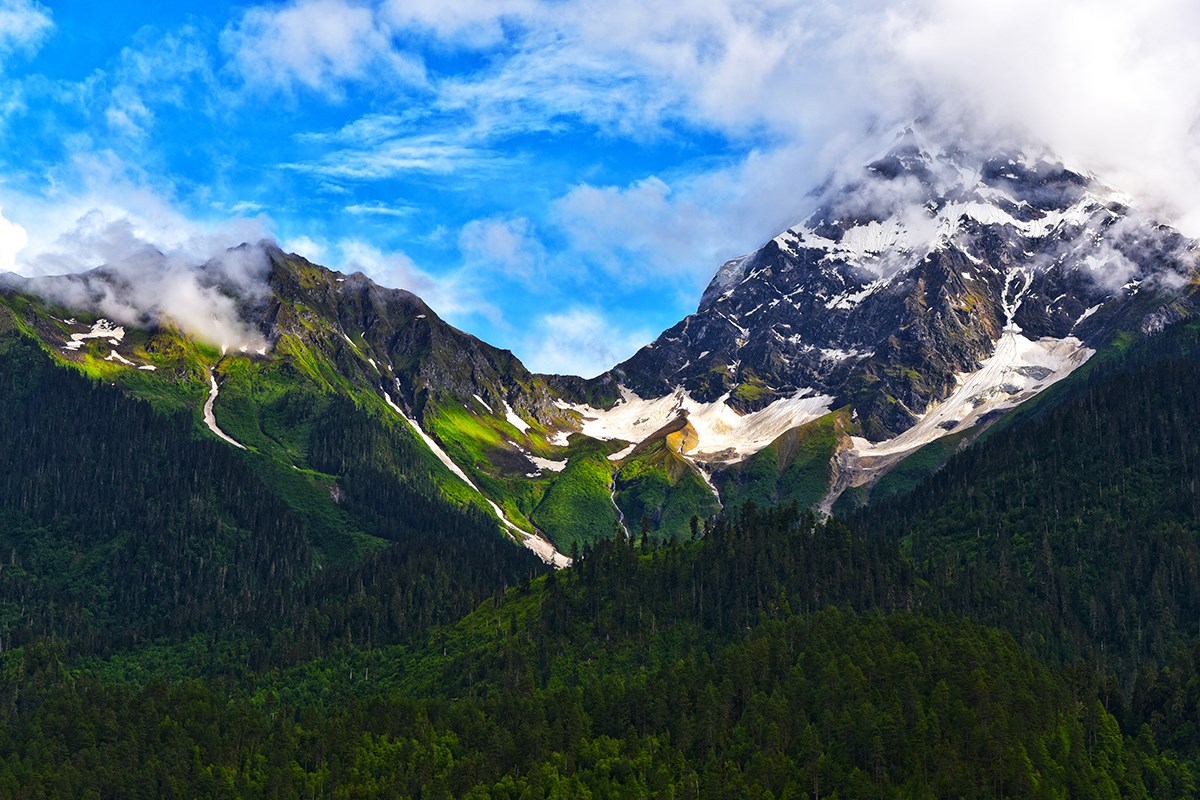
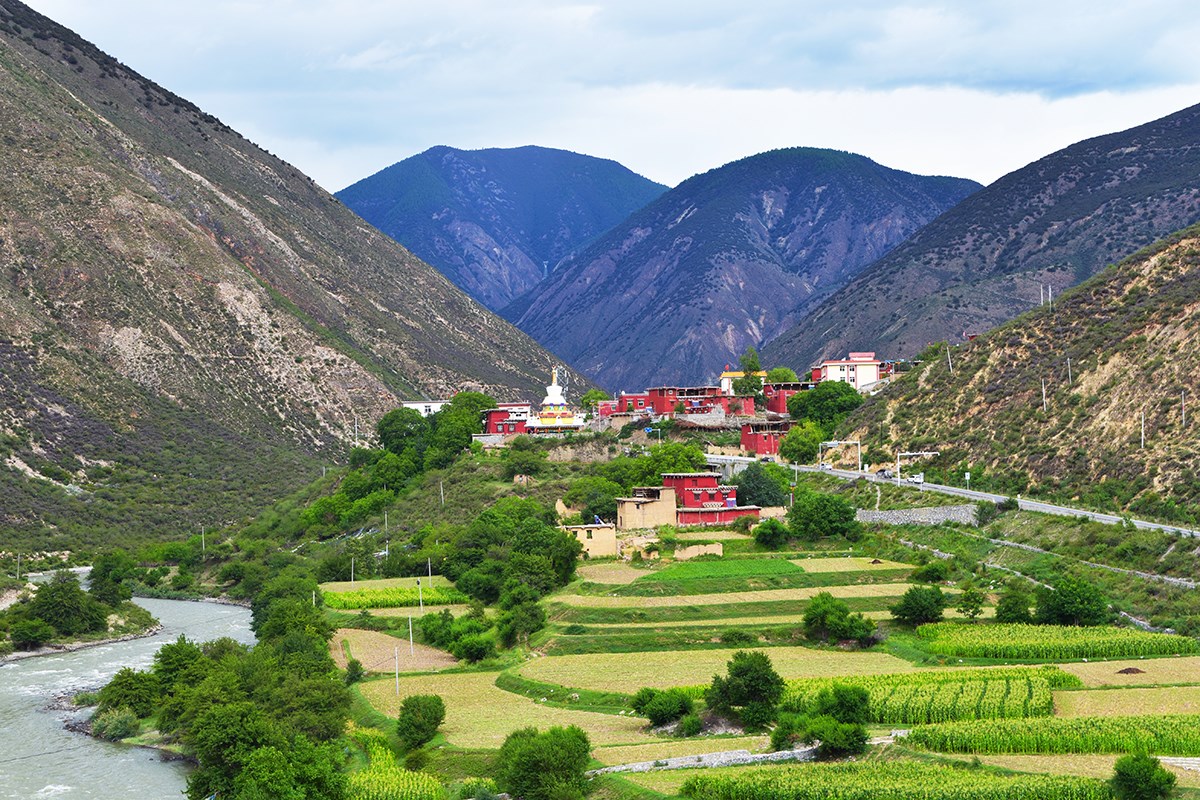
Drive to Bomi along Ranwu valley. On the way, visit Midui Glacier which is consisted of beautiful Tibetan village, farm fields, snow mountains, glaciers, forests, lakes, etc. Midui Glacier is on the upstream of Midui River and melting glacier flows into Midui River and then into Parlung Tsangpo River. Midui Glacier is the most important marine glacier in Tibet and the lowest elevation glacier in China. The main peak of the glacier is 6800 meters above sea level and its snow line is only 4600 meters above sea level. From Ranwu to Bomi, about 100 km, is the most beautiful part of this overland tour. Driving along the Parlung Tsangpo River and enjoying the beautiful primitive landscape of snow mountains, forests and rivers. Drive down a few hundred meters then reach the lowland jungle settlement of Tongmai. Pass by Guxiang Lake (2600 m) and Tongmai Bridge, through the Tongmai No. 1 Tunnel, finally reach Lulang Town. Leisurely walking in the natural oxygen bar - Lulang. 305 km 5 hours 36 minutes Overnight at Dayhello Hotel (3200 m)
Overlook Gyala Pelri and Namjabarwa, Niyang River, Basum Tso Lake
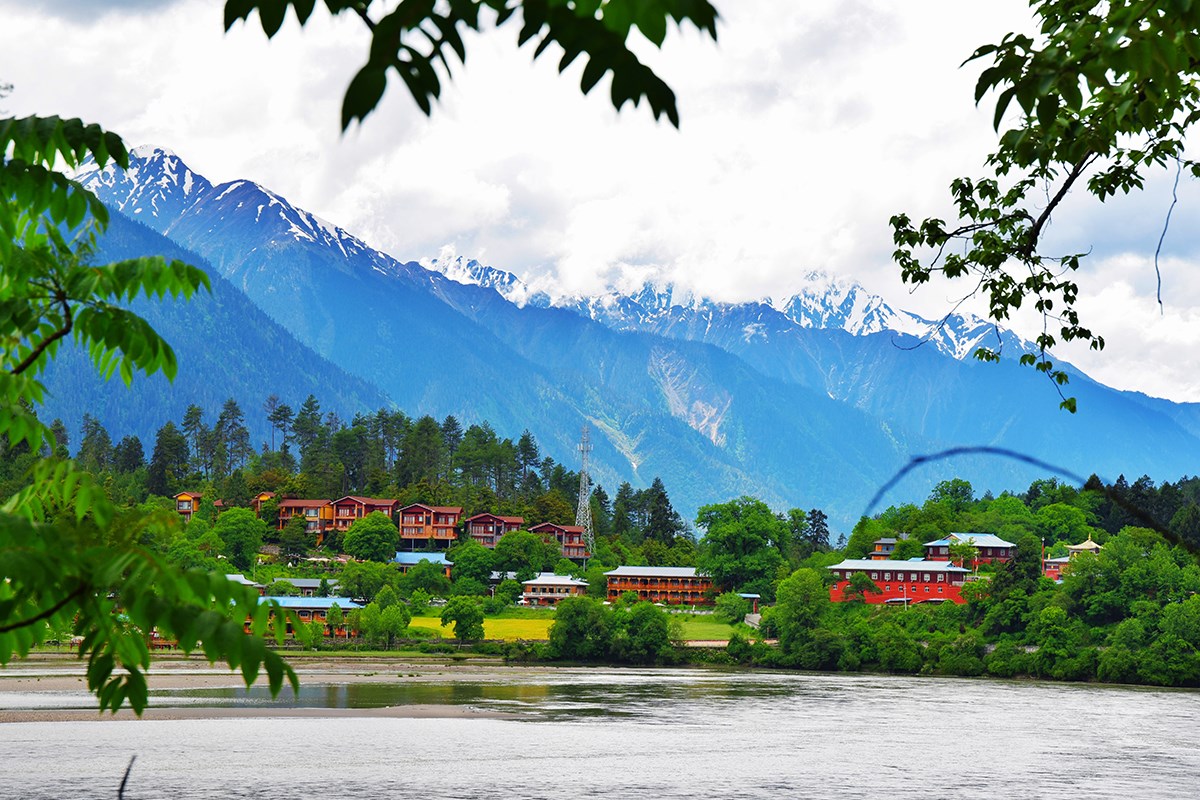
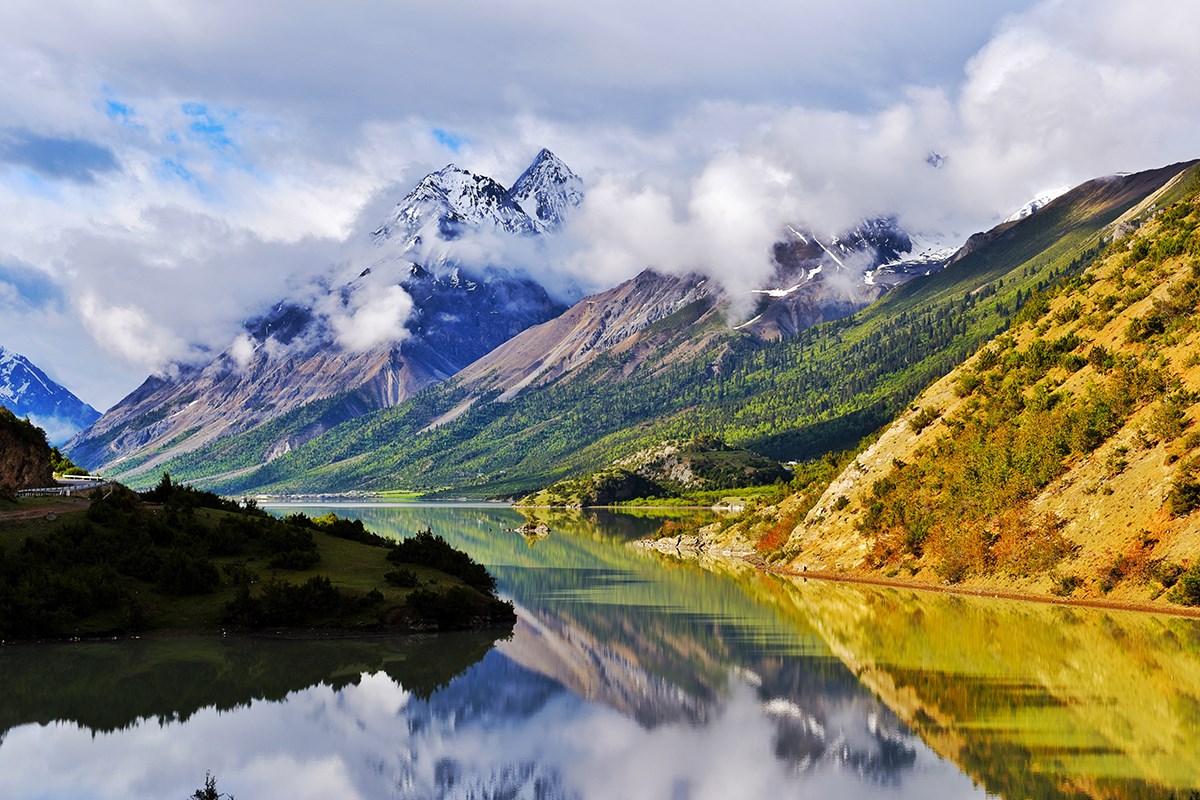
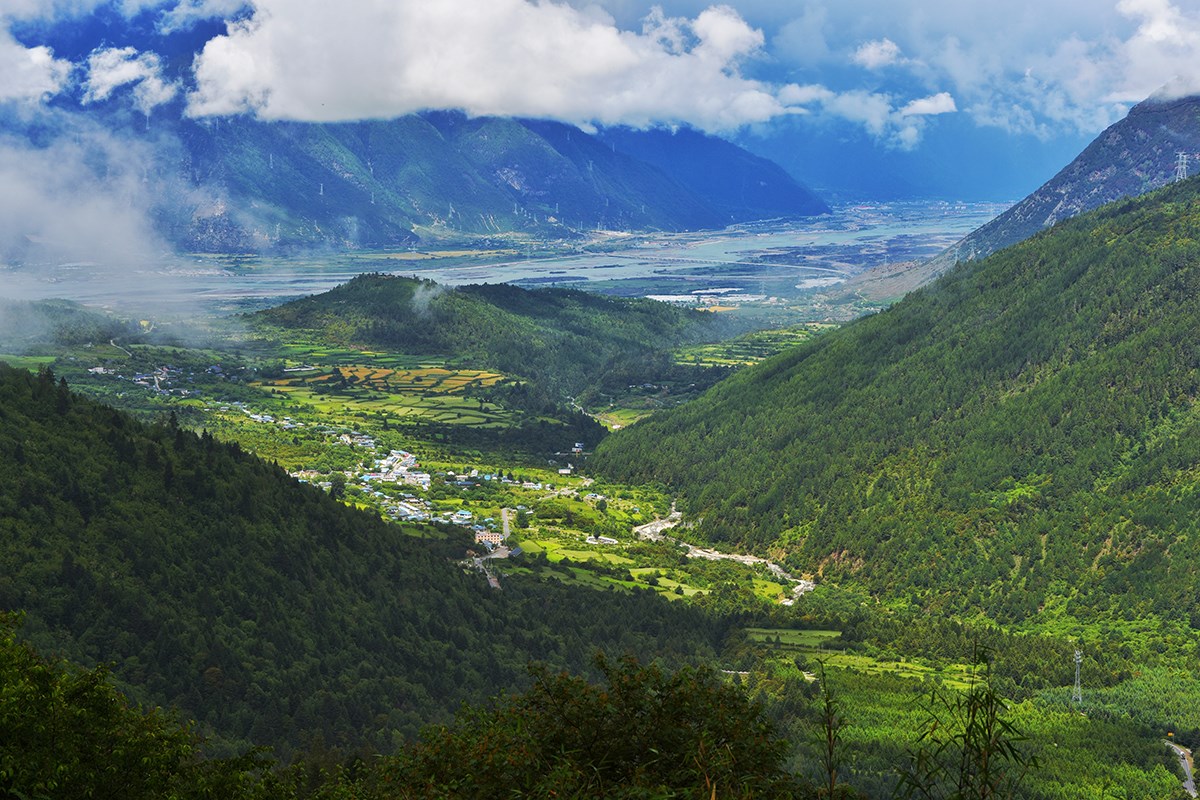
After breakfast, drive through picturesque Lulang Forest. When crossing Serkhyem La Pass (Seji La, 4,515 m) you will have spectacular views of Mount Gyala Pelri (7,150 m) and Mount Namchak Barwa (Namjabarwa, 7,782 m), when the weather is so fine. During downhill, you can enjoy the beautiful scenery of Niyang River valley and the panorama of Lingzhi. Then drive along the Niyang River to the Basum Tso Lake, a holy lake of Nyingma school. More than 6000 m high snow-covered mountains’ reflection images make the lake very cinematic. It is no doubt that the main actor is Tsodzong Monastery on the Tashi Island. Hike on the island to visit Tsodzong Monastery. If you are interested, you can continue to walk by Basum Tso, enjoy the snow mountain and thick forest, and enter the Jieba Village that maintains pure Gongbo style. Basum Tso is located in Gongbo’gyamda County. The Tibetans who live in Gongbo’gyamda County are called “Gongbo people” by other Tibetan people. They have their own costume, special buildings, different festivals, and even different dialect. Visiting a family at Jieba Village, you will be treated warmly by them. 222 km 3 hours 29 minutes Overnight at Himalaya Basum Tso Resort (3500 m)
Mi La Mountain Pass. Gandan Monastery. Welcome in Lhasa!
Drive over the impressive Mi La Mountain Pass (4865 m) to Lhasa (3650 m), capital of Tibet Autonomous Region. On the way visit Gandan Monastery. It was built in 1409 by Tsongkapa, the founder of the Gelugpa of Tibetan Buddhism. Gandan, Drepung and Sera are the three largest monasteries in Lhasa. And Gandan is the place where Tsongkapa passed away. Therefore, it has the highest reputation of all the monasteries of the Gelugpa. If you are interested, you can walk along the pilgrimage way to the left and right hillsides of Gandan Monastery to visit Tsongkhapa’s meditation cave and enjoy the panorama of Gandan Monastery and magnificent scenery of Lhasa River valley. In the evening return the rental motorbike in Lhasa. 363 km 6 hours 30 minutes Overnight at Snow Paradise International Hotel (3650 m)
Potala Palace – landmark of Lhasa, Jokhang and Barkhor Street
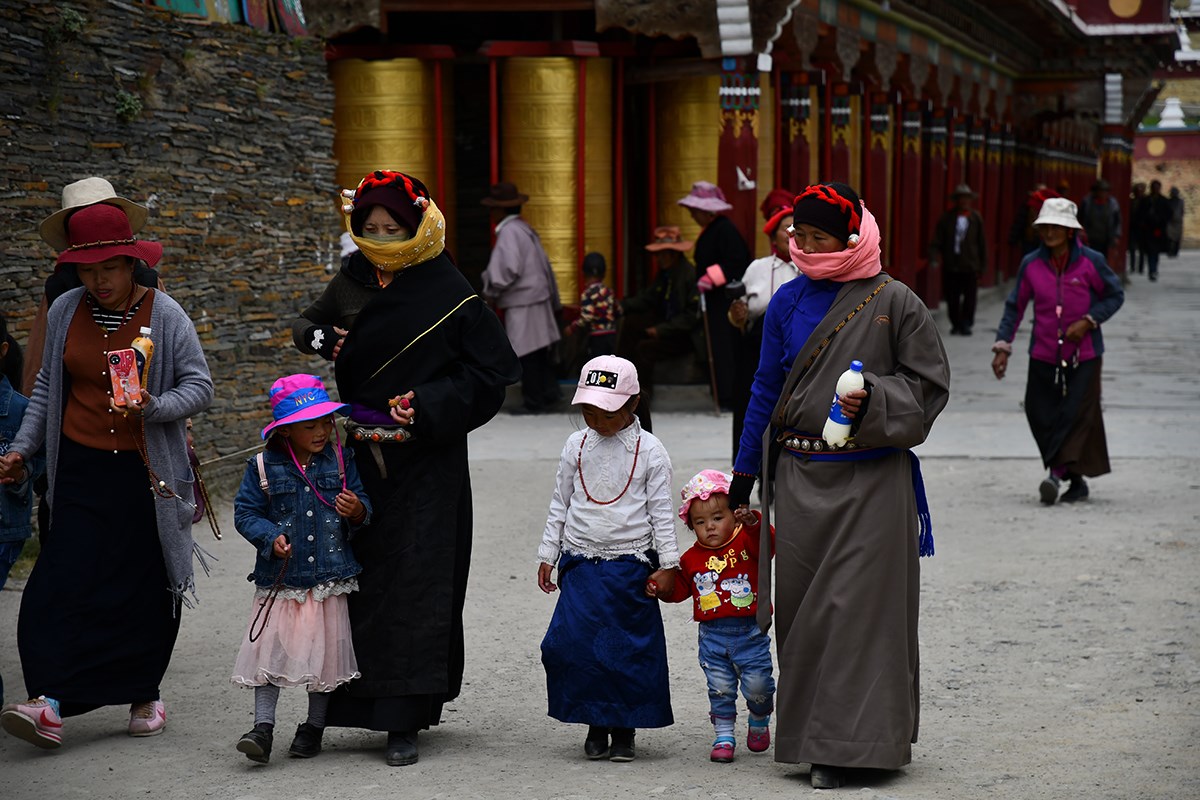
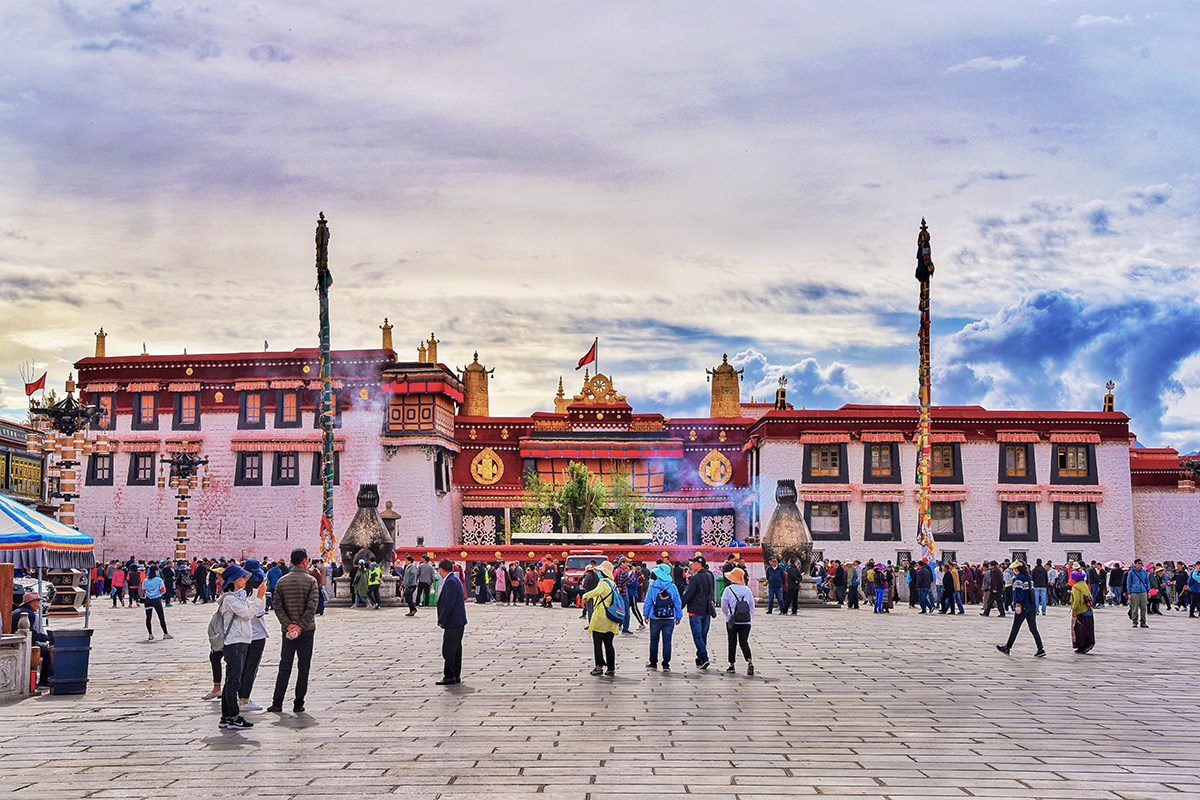
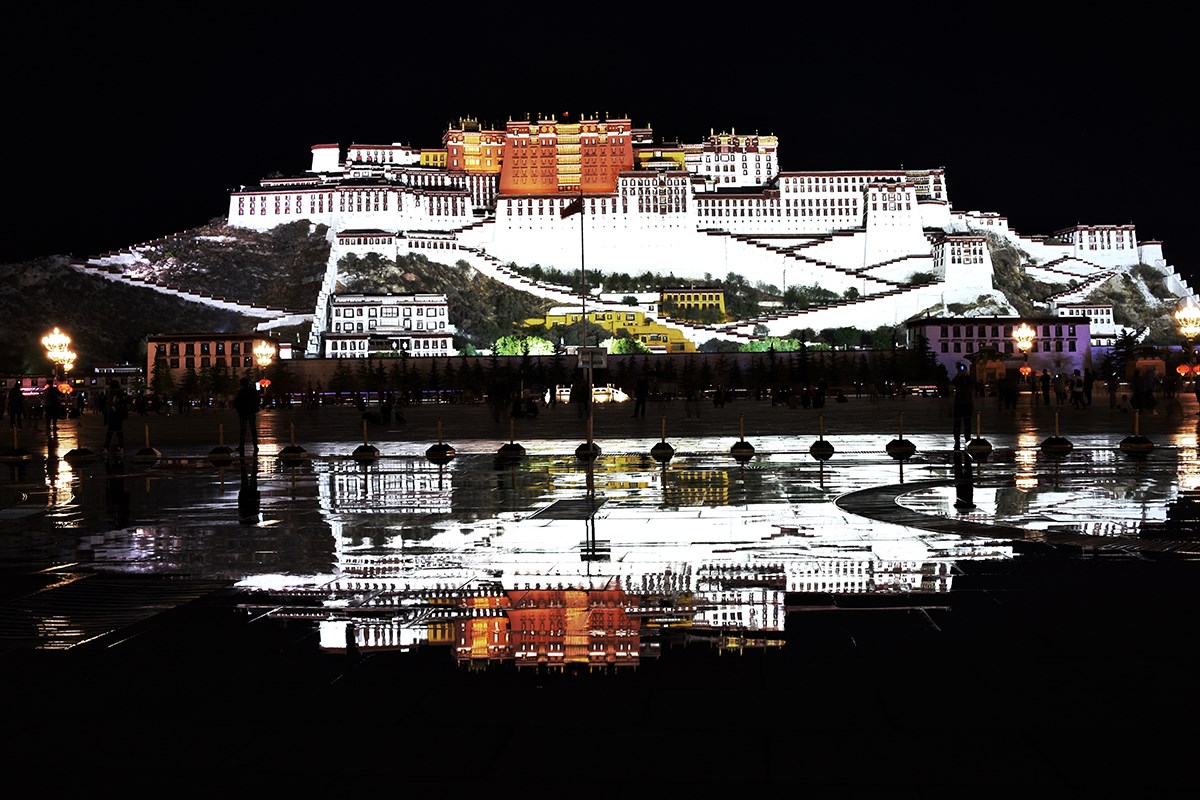
In the morning visit Potala, which was originally constructed in 637 by Songtsen Gampo, the first king of the united Tibet, and later expanded and served as the winter residence of the Dalai Lamas as well as the religious-political nexus of traditional Tibet. The crowds of pilgrims, innumerable magnificent murals, Buddhist statues, scriptures and rare treasures altogether create a dense religious and art atmosphere that impresses every visitor. In the afternoon visit Jokhang monastery, the center of the Tibetan Buddhism and the sacred land of Buddhist followers where thousands of pilgrims come for worship everyday. The temple, built in 647, is the earliest wood-and-masonry structure still existing in Tibet. Walk on the Barkhor street surrounding Jokhang, a big free market with its prolific stalls for selling local specialties. Overnight at Snow Paradise International Hotel
Panoramic view over Potala, Norbulingka, Debate in Sera
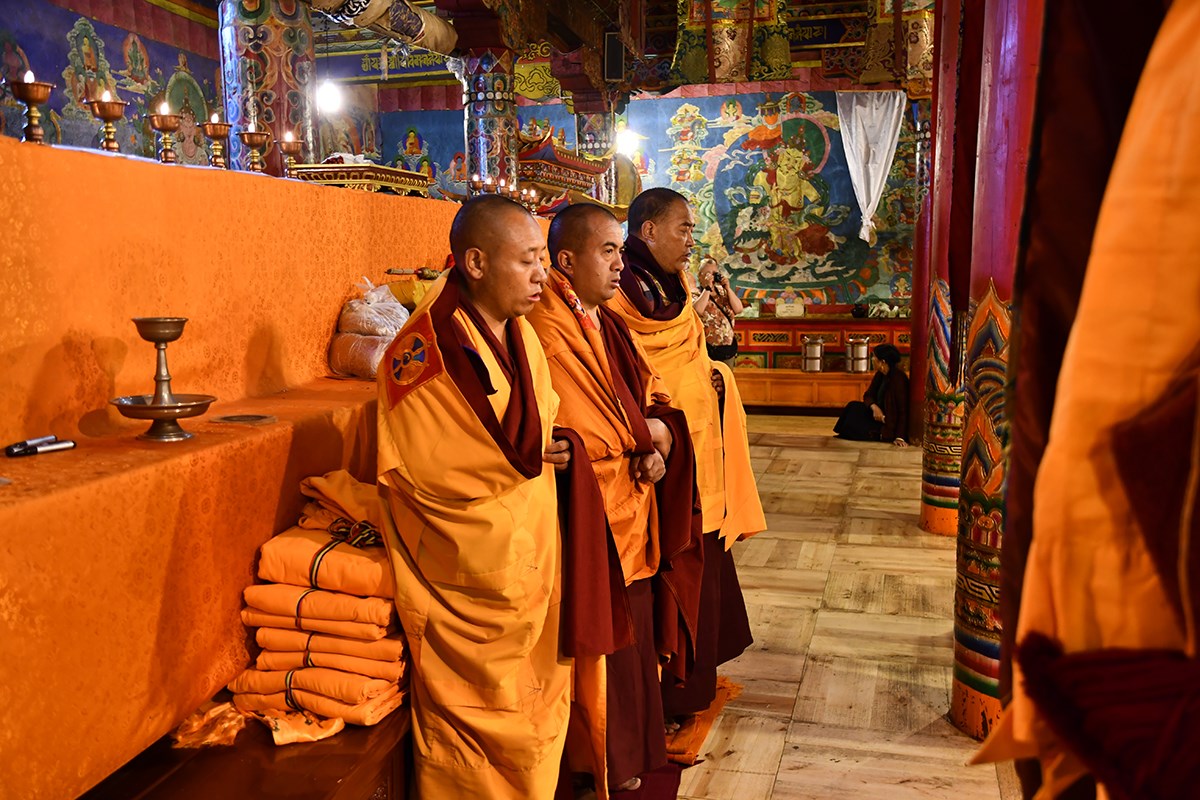
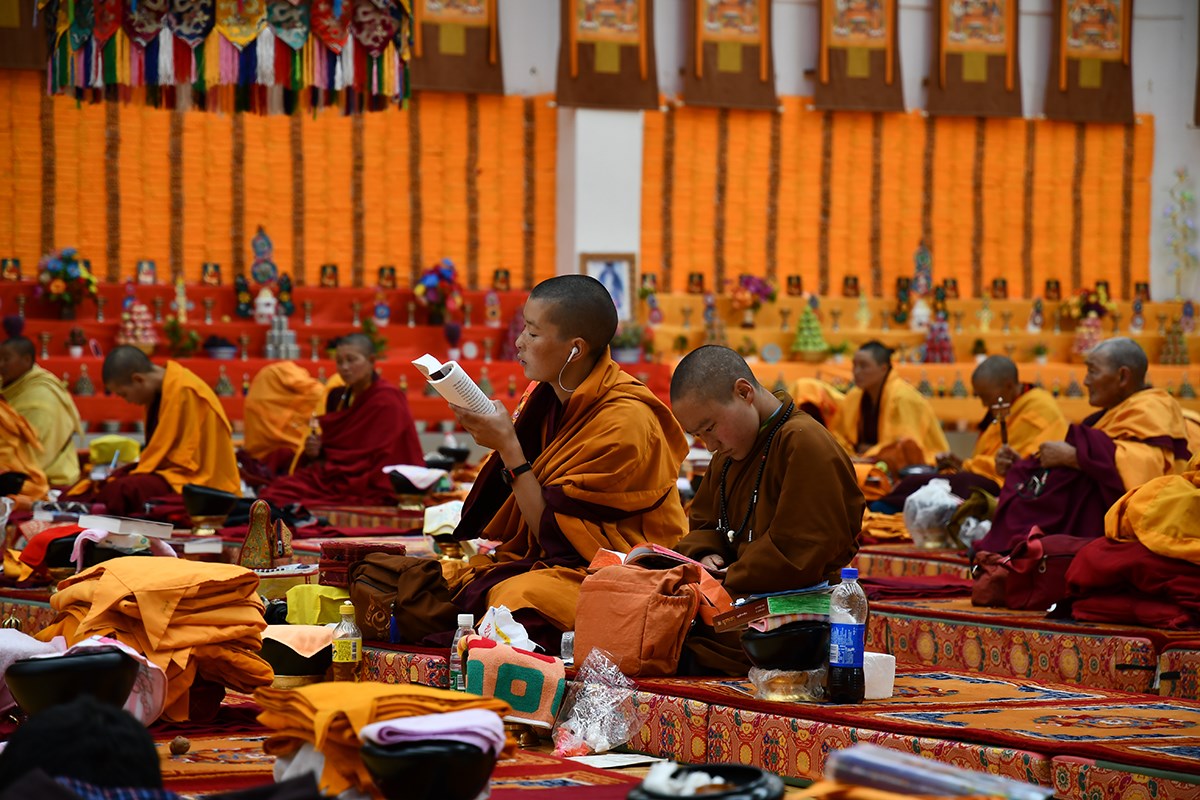
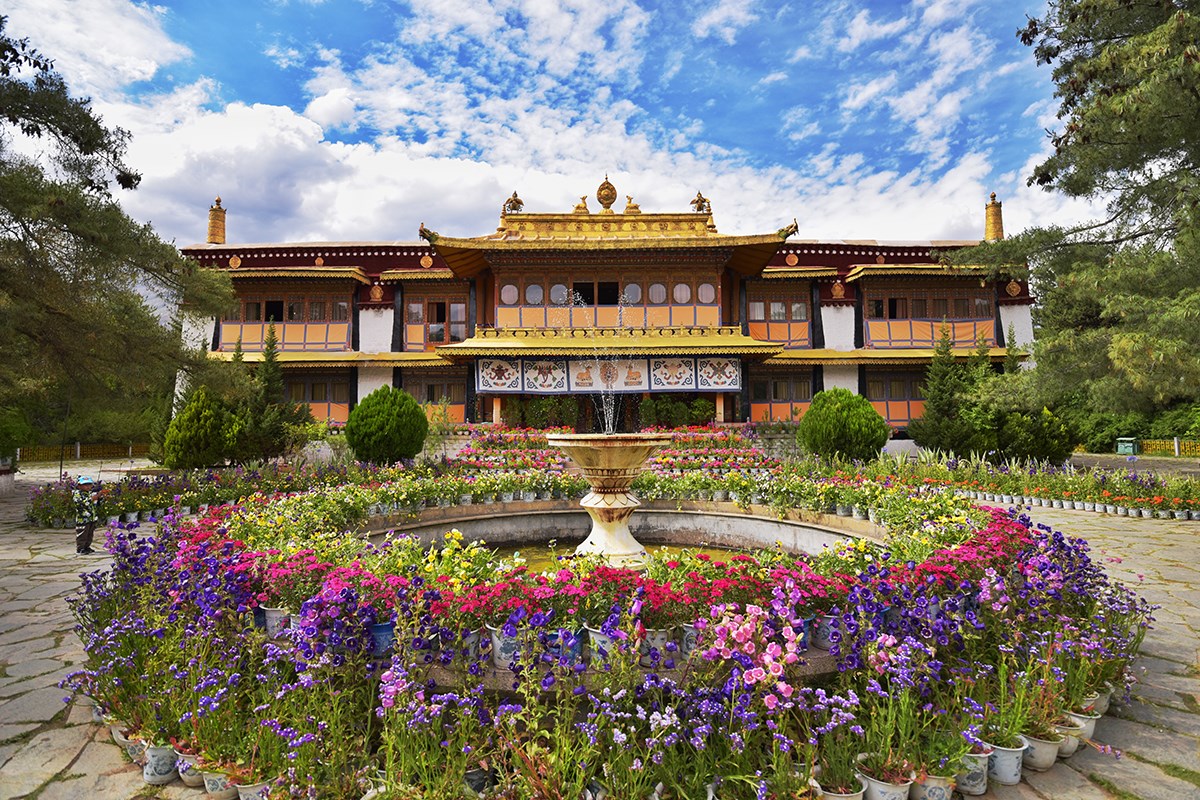
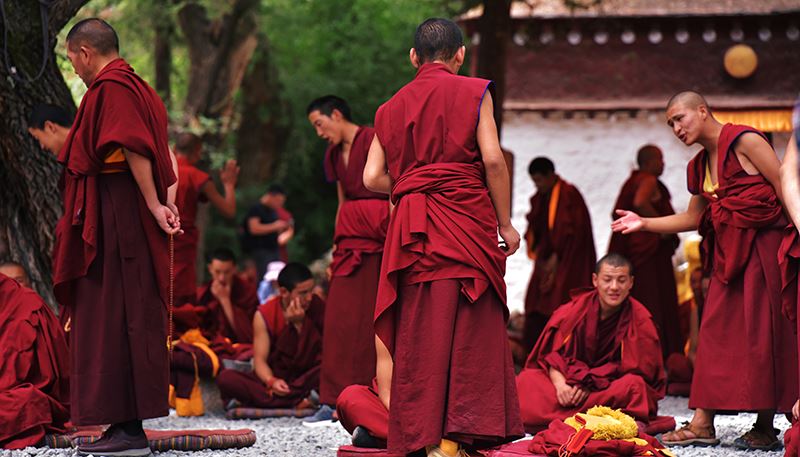
In the morning visit Parla Lupu Cave Monastery, located on the slopes of Yaowang Mountain, was built in the 7th century. It is 22m high and from here you can have a wonderful panoramic view over Potala palace. Afterwards visit Norbulinka, the summer residence of the Dalai Lamas. In the afternoon visit Sera Monastery, which was created in 1419 and has always been an important Buddhist seminary. It is also one of the six master monasteries of the Gelugpa. As rose are planted everywhere in the monastery, it is also called “the court of wild rose”. Today still 200 lamas live in there. You have the opportunity to experience the famous monks' "Buddhism scriptures debates". Public religious debates are part of the education of monks. Overnight at Snow Paradise International Hotel
Travel to next destination
Today transfer to Gongga Airport or Lhasa Railway Station, leave Tibet.
The fine print, in plain words
See it to believe it
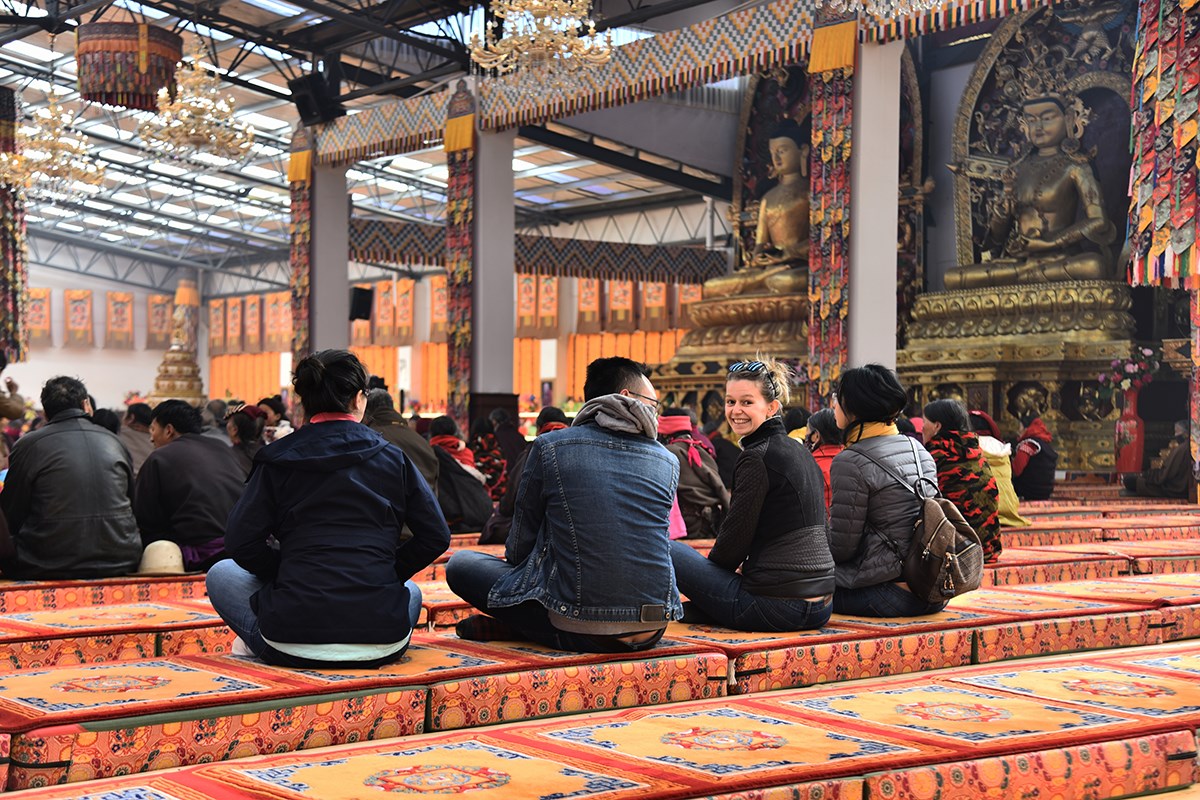


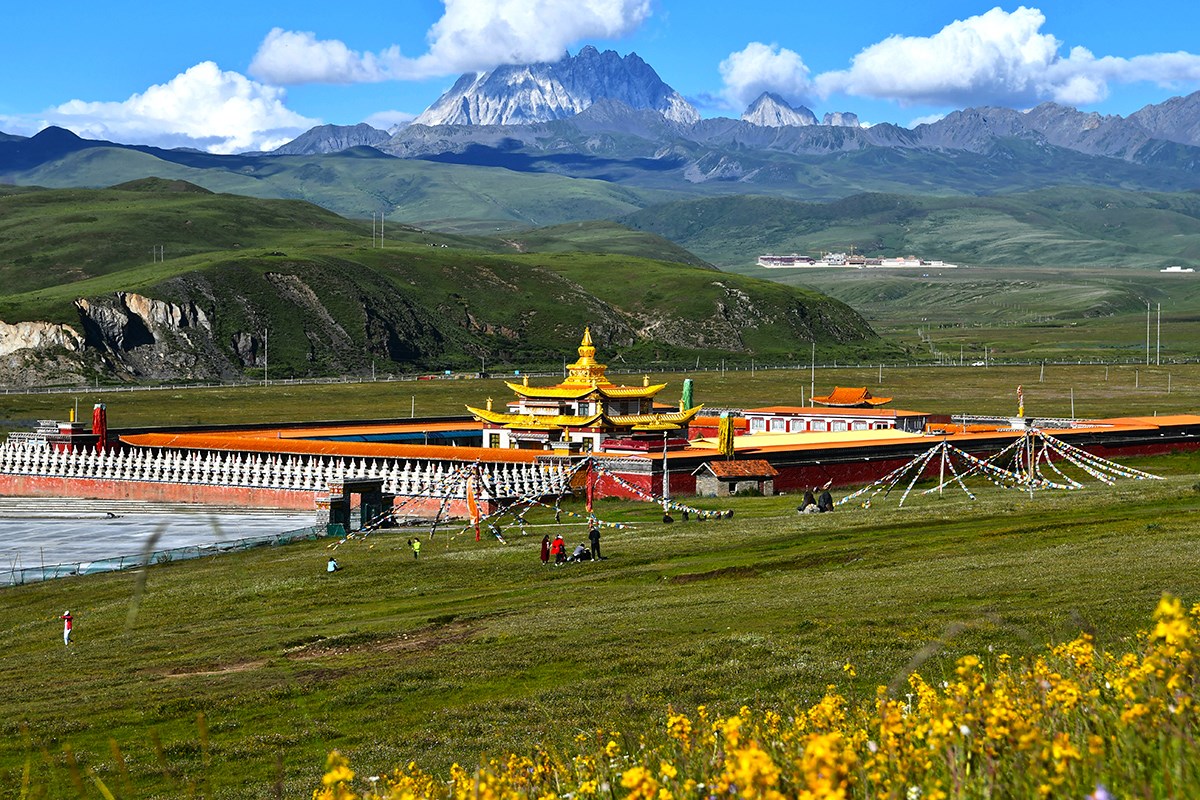
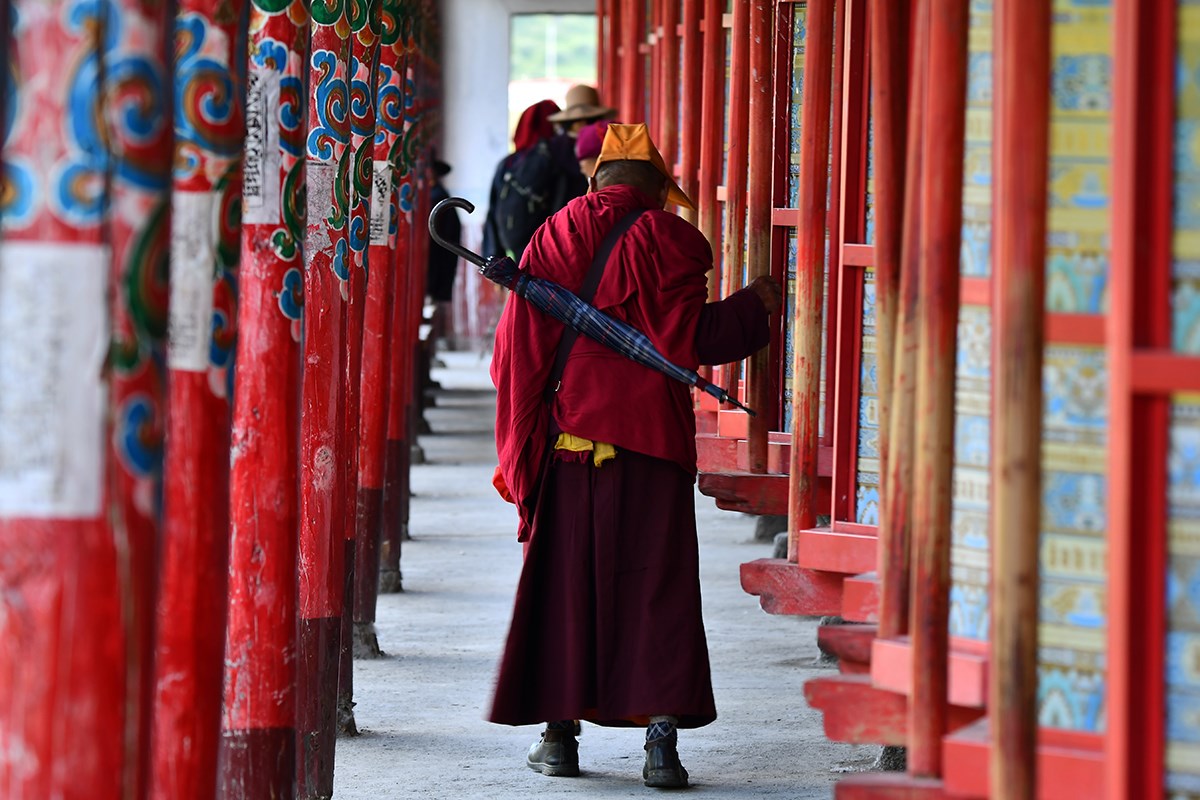
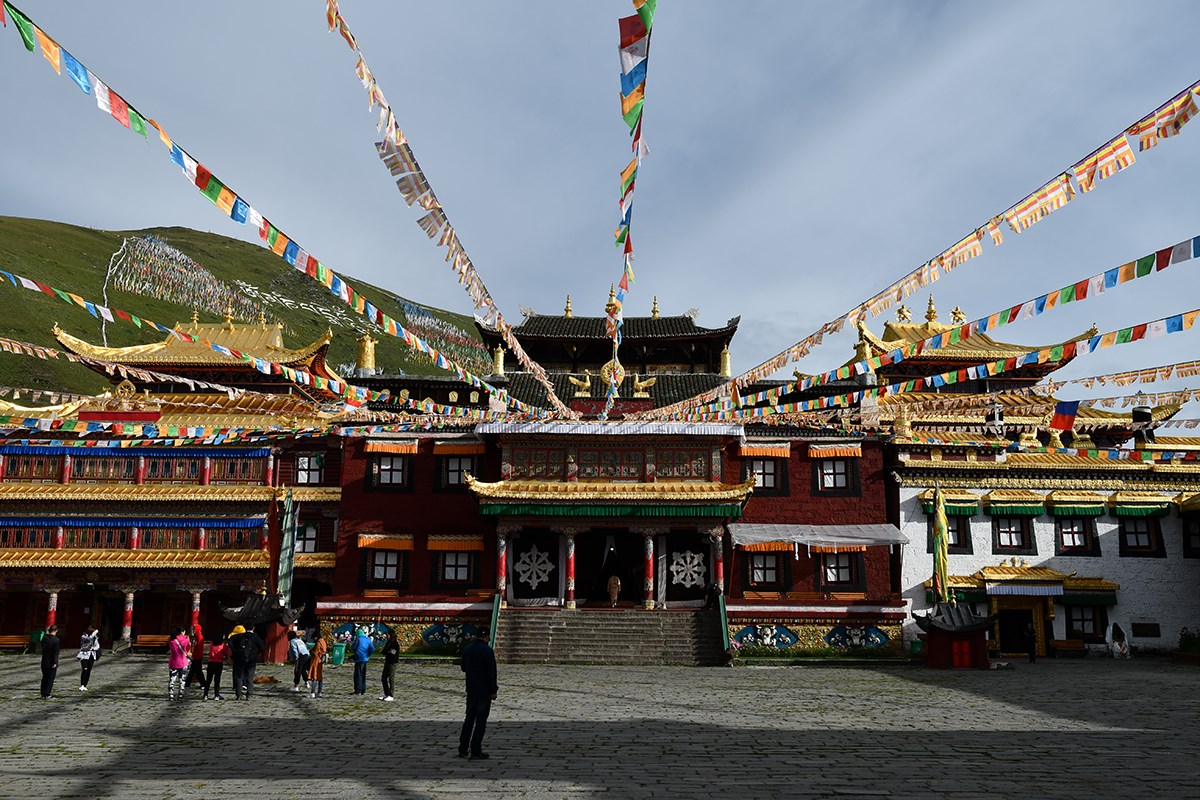
Greatway Collection
Dates & enquiry
Private departures on your dates, roughly April to October. Tell us when you're free and how many are riding - our motorbike travel consultant will get back to you within 24 hours.
Free itinerary design · Customized for your group
We've opened your email app with everything filled in - press send there and it's on its way.
Our motorbike travel consultant will reply within 24 hours.
Nothing opened? Copy your enquiry below and send it to hello@chinamotorcycletravel.com.
Memberships